The Art of Mook Yan Jong was founded to bring a completely new understanding of the wooden dummy into the modern Wing Chun world.
Instead of treating the dummy as a striking post or a memorized form, this system transforms it into a neurological training tool—one that builds tactile intelligence, structural clarity in training, a comprehensive “vocabulary of movements,” rooted in traditional martial principles.
Every drill, touch, and angle are designed to activate the practitioner’s mechanoreceptors, developing faster reaction time, precise force pathways, and deeper sensitivity.
Branko developed The Art of Mook Yan Jong after decades of studying traditional Wing Chun and reconstructing how the wooden dummy was originally intended to train the nervous system—not just outside form of some techniques.
His work focuses on:
Branko’s unique ability to translate complex tactile concepts into simple, repeatable drills led to the creation of a full training system unlike anything found in other Wing Chun lineages.
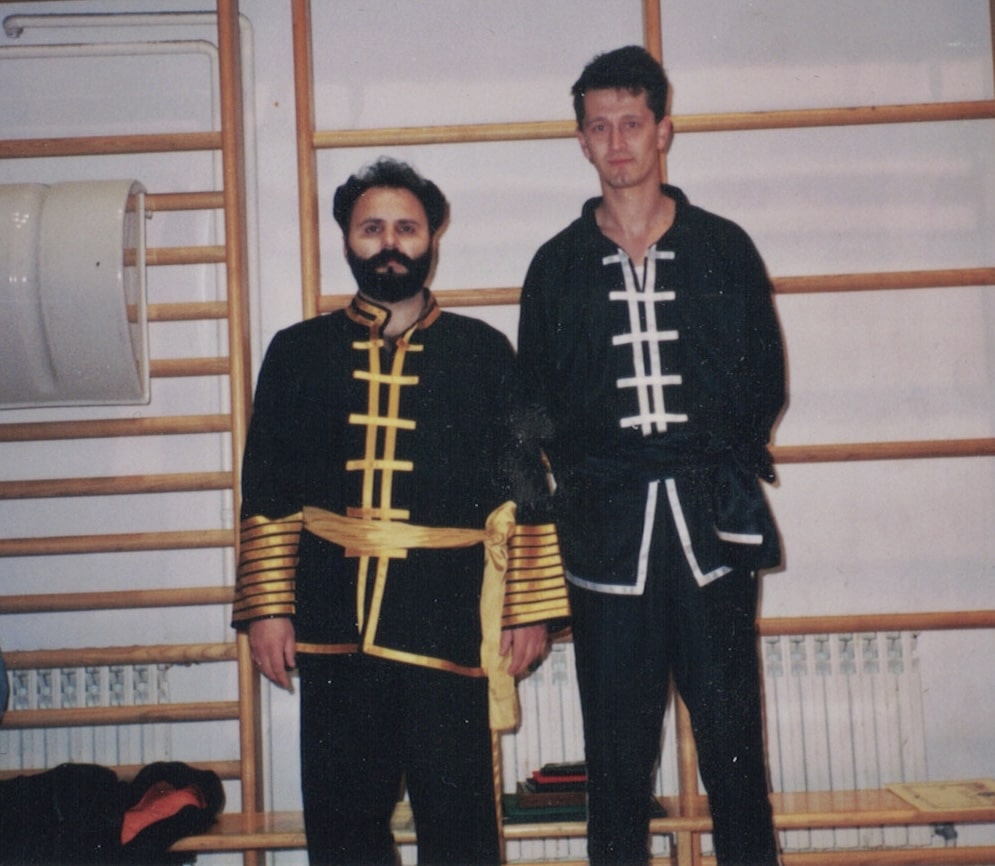
With year’s of experience training, Branko of The Art of Mook Yan Jong hopes to share that wisdom with you.
A complete beginner pathway found only here. This method teaches:
This foundational stage does not exist in other systems.
Developing:
This approach emphasizes the principle and idea that every muscle, every joint, every inch of your body is one complex coordinated system.
The form becomes a neurological blueprint, not choreography:
Whether you are just starting your Wing Chun journey or looking to deepen your existing practice,